
Views: 0 Author: Site Editor Publish Time: 2026-02-26 Origin: Site


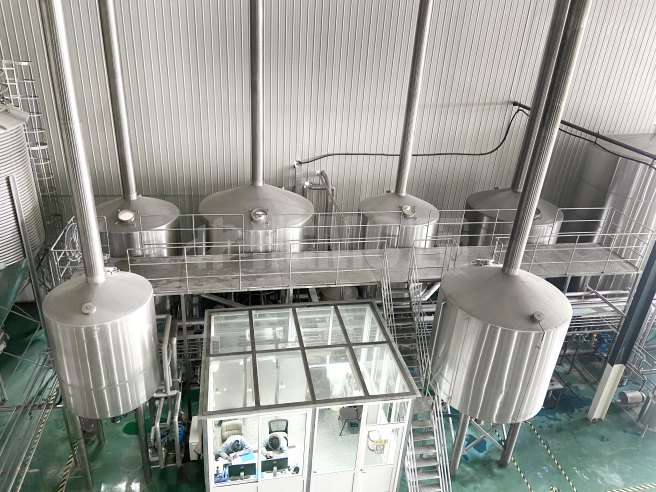
The Ultimate Guide to Commercial Beer Brewing Equipment Maintenance
You have invested in a beautiful new brewhouse. Now, how do you keep it running efficiently for the next 20 years? Proper maintenance of your commercial beer brewing equipment is the key to preventing downtime, avoiding off-flavors, and protecting your investment. This guide covers the essential maintenance routines every brewery should follow.
1. The Importance of Clean-in-Place (CIP)
CIP is the automated process of cleaning the interior surfaces of pipes, vessels, and equipment without disassembling them.
Frequency: Brewhouse vessels should be CIPed immediately after use. Fermenters require CIP between every batch.
The Process: A standard cycle involves:
Rinse: Recoverable water rinse to remove solids.
Caustic Wash: Hot caustic solution to dissolve organic soils (beer stone, proteins).
Intermediate Rinse: Remove caustic residue.
Acid Wash (Optional): For mineral scale removal.
Final Rinse: Ensure all chemicals are gone.
Sanitization: Using PAA or heat before the next brew.
2. Mechanical Maintenance Checklist
Gaskets and Seals: Rubber gaskets on tri-clamps wear out. We recommend inspecting them monthly and replacing them every 6-12 months. A worn gasket is a leading cause of oxygen ingress and contamination.
Pumps: Listen for cavitation (a rattling sound). Regularly check the pump seals for leaks. Centrifugal pumps are the workhorses of the brewery; they need annual servicing.
Heat Exchangers: Over time, they can get clogged with debris. Back-flushing and acid cleaning are necessary to maintain their efficiency in cooling wort.
3. Calibrating Your Sensors
Your PLC is only as smart as the data it receives.
Temperature Probes: These can drift over time. Calibrate them against a known accurate thermometer at least twice a year.
Pressure Gauges: Ensure they read zero when open to the atmosphere. Faulty pressure readings on a fermenter can lead to tank over-pressurization or failure to carbonate beer properly.
4. Extending the Life of Your Packaging Line
Whether you use a bottling line or a canning line, this equipment faces the most wear and tear.
Lubrication: Conveyors need constant lubrication to move glass or aluminum smoothly.
Filler Valves: These are precision instruments. They must be stripped and cleaned regularly to ensure consistent fill heights and prevent oxidation.
Conclusion
A well-maintained brewery is a profitable brewery. By following these guidelines, you can extend the life of your brewing equipment and ensure every batch tastes as good as the last.
[CTA Button: Download Our Free Brewery Maintenance Schedule Template]


